When you first begin teaching English to children, you might feel overwhelmed. How to teach English to children? What should you do first? What methods work best? How do you keep them engaged?
The good news is that kids are natural language learners. A child’s brain is wired so that it is capable of quickly absorbing new sounds, words, and patterns. With the right approach, teaching English becomes less about strict lessons and more about creating an environment where learning happens naturally.
This guide will walk you through practical strategies, age-appropriate activities, and proven methods to help them develop strong English skills. We have outlined clear steps to make English learning fun and effective, regardless of whether you are a parent, teacher, or caregiver.
Why Teaching English Early Matters
Starting English education at a young age offers benefits that extend far beyond language skills. Research shows that little ones who learn a second language early develop stronger problem-solving abilities and improved memory. They also tend to perform better in other academic subjects.
Early exposure to English helps youngsters build confidence in communication. By learning to express themselves clearly, they are able to better understand others. It plays an essential role in supporting their social development as well as preparing them to succeed in academics in the future.
Childhood is the most effective time for the brain to acquire language skills. Young learners pick up pronunciation, grammar patterns, and vocabulary with less effort than older students. They develop better accents and more natural speech patterns when they start early.
Understand Your Child’s Age and Learning Style
Different ages require different approaches. A three-year-old won’t respond to the same methods as a ten-year-old.
1. Toddlers (1–3 years):
Toddlers learn through repetition and sensory experiences. They need simple words, songs, and lots of visual aids. Keep sessions short, five to ten minutes is plenty. Use toys, colorful pictures, and physical movement to hold their attention.
2. Preschoolers (4–5 years):
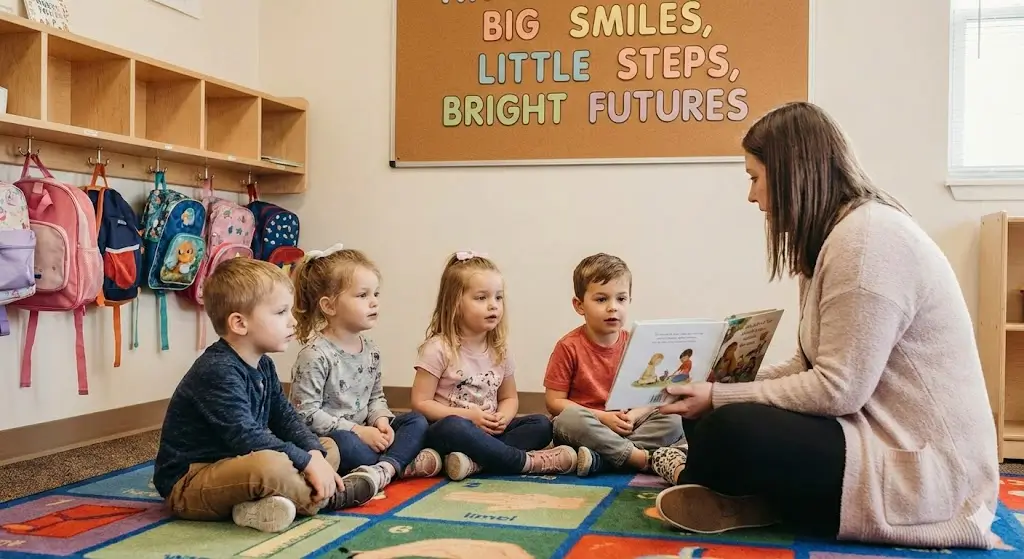
Preschoolers can handle slightly longer sessions and more interactive activities. They enjoy games, stories, and role-playing. Focus on building basic vocabulary related to their daily life: family members, food, colors, and animals.
3. Early Primary (6–8 years):
Kids in this age group can start connecting words to letters and sounds. They’re ready for simple reading exercises and writing activities. Use phonics-based approaches and introduce basic sentence structures through fun activities.
4. Older Kids (9–12 years):
Older learners can handle more complex grammar and longer conversations. They benefit from project-based learning, group discussions, and creative writing exercises. Encourage them to express opinions and tell longer stories.
5. Different Learning Styles:
Every child learns differently. Some children are visual learners, so they are more likely to respond well to pictures and videos. Others are auditory learners who thrive with songs and verbal instructions. A kinesthetic learner requires hands-on activities as well as physical movement.
Consider what is most engaging for your child. Mix different approaches to keep lessons interesting and accommodate their preferred learning style.
Classroom vs. Home-Based Teaching
Both settings offer unique advantages for teaching English to children.
1. Teaching English in the Classroom:
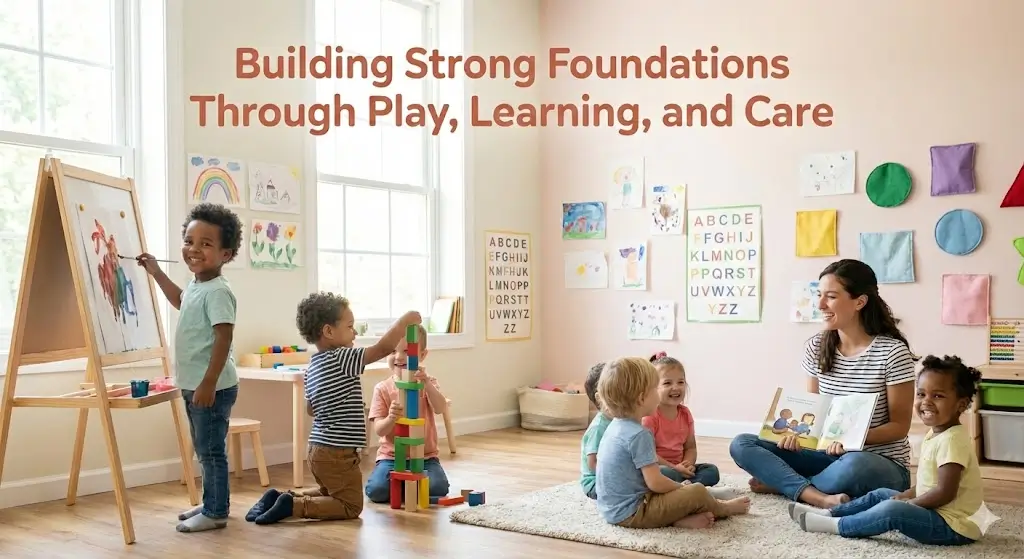
Classrooms provide structure and peer interaction. They learn from each other and develop social skills alongside language skills. Teachers can organize group games, collaborative projects, and competitive activities that motivate students.
Interactive lessons work best. Use flashcards, board games, and role-playing exercises. Keep their focus and energy up by rotating activities every 10-15 minutes.
2. Teaching English at Home:
Home-based learning offers flexibility and one-on-one attention. Parents can incorporate English into daily routines naturally. Breakfast conversations, bedtime stories, and playtime all become learning opportunities.
Create an English-friendly environment at home. Label household items in English. Plan to speak only in English at specific times. It is advisable to use English when performing specific tasks, such as cooking or playing a game.
Core Teaching Methods and Activities
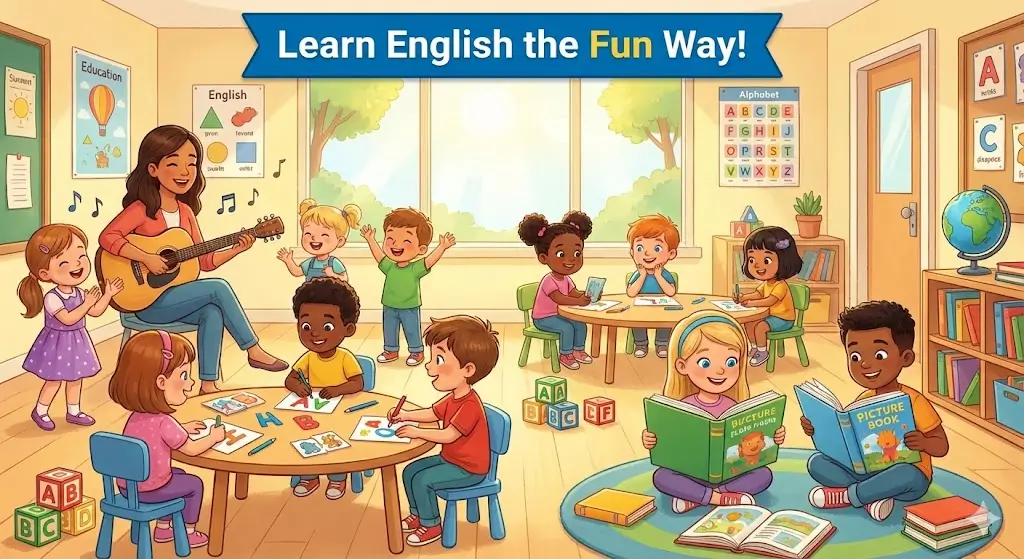
The most effective teaching methods make learning feel like play.
1. Songs, Rhymes, and Music-Based Learning:
Music helps babies remember words and phrases. Songs with repetitive lyrics work especially well. Nursery rhymes teach rhythm, pronunciation, and common vocabulary. Sing along with your child and encourage them to create their own songs.
2. Role-Playing and Dialogues:
They enjoy playing pretend. Provide scenarios such as restaurants, doctors’ offices, or grocery stores.Practice simple dialogues and let them act out different roles. This builds conversational skills and boosts confidence.
3. Storytelling and Picture Books:
Read together regularly. Choose books with colorful illustrations and simple text.Encourage your child to tell you what he/she expects to happen next by asking questions about the story. Let them tell stories using pictures as prompts.
4. Arts, Crafts, and Creative Projects:
Combine language learning with creativity. Make alphabet collages, color-themed artwork, or seasonal crafts. While working together, describe your work in English.
5. Games and Interactive Exercises:
Games make practice enjoyable. Play Simon Says, I Spy, or Memory Match in English. Board games with simple instructions work well for older learners. Online educational games can supplement hands-on activities.
6. Use of Multimedia:
Cartoons, apps, and educational videos expose kids to native speakers and varied contexts. Choose age-appropriate content with clear pronunciation. Limit screen time and always watch or play together when possible.
7. Mnemonic Devices and Memory Aids:
Help them remember new words using memory tricks. Create silly sentences, rhymes, or visual associations. For example, “Big Elephants Can Always Understand Small Elephants” helps remember how to spell “because.”
8. Incorporating Real-Life Situations and Holidays:
Use everyday moments as teaching opportunities. Talk about the weather, describe grocery shopping, or discuss what you see during walks. Celebrate English-speaking holidays like Thanksgiving or Halloween to introduce cultural context.
How To Teach English To Children: Step-By-Step Process
Language skills develop in a natural sequence. Follow these steps for best results.
1. Begin with Listening and Speaking:
They need to hear English before they can speak it. Talk to them regularly in English. Play audio stories and songs. Ask simple questions and give them time to respond.
2. Gradually Build Vocabulary:
Start with high-frequency words related to their daily life. Introduce 3-5 new words per week. Review previously learned words regularly. Use pictures, objects, and actions to demonstrate meaning.
3. Introduce Basic Reading Skills:
Once they recognize common spoken words, connect them to written forms. Using phonics will help you teach letter sounds. You can begin by blending sounds together using simple three-letter words such as “cat,” “dog,” and “sun.”
4. Writing Comes Last:
Writing requires fine motor skills and understanding of letter formation. Begin with tracing letters, then move to copying words. Eventually, they can write simple sentences independently. Keep expectations age-appropriate.
5. Practice Spoken English Regularly:
Conversation practice is essential. Make sure you spend time each day conversing in English. Make sure your questions are open-ended so that you can receive more than a yes or no answer. Encourage them to do their best by listening patiently and praising them.
Tips for Parents
Parents play a vital role in supporting language development at home.
How to Support Your Child’s Learning at Home
Create a consistent routine. Dedicate specific times to English activities. No matter how little the progress is, celebrate it. It takes time for the child to learn, so please be patient.
Encouraging Conversation and English-Only Time
Designate certain times or activities as English-only periods. Start with short intervals and gradually increase. Make it fun, not stressful. Use gestures and facial expressions to help communicate meaning.
Making Learning Playful and Engaging
Keep activities light and enjoyable. If your child seems frustrated, take a break. Learning should feel like fun, not a chore. Follow their interests and incorporate topics they care about.
Using Everyday Situations as Practice Opportunities
Narrate your activities in English. Describe what you’re cooking, cleaning, or building. Ask your child to help and use English to give instructions. Real-world practice builds practical language skills.
Best Resources to Teach English
Quality resources make teaching easier and more effective.
1. Recommended Apps, Books, and Online Tools
Apps like Duolingo ABC, Khan Academy Kids, and Starfall offer interactive lessons for young learners. Classic children’s books by authors like Dr. Seuss and Eric Carle work wonderfully for reading practice. YouTube channels like Super Simple Songs provide free educational content.
2. Printable Worksheets and Activity Guides
Websites like Education.com and Teachers Pay Teachers offer free and paid worksheets. Print coloring pages with letters, number worksheets with English words, and matching games to reinforce learning.
3. Local and Online Programs for Children
Look for local ESL classes, library story times, or community center programs. Online platforms like VIPKid or Cambly Kids connect them with native-speaking teachers for live practice sessions.
Advanced Tips for Confident English Learners
Once they master the basics, challenge them with more complex skills.
1. Public Speaking and Presentations
Encourage them to present short talks about their favorite topics. Start with show-and-tell style presentations. Gradually increase length and complexity. This builds confidence and fluency.
2. Grammar and Sentence Structure in a Fun Way
Teach grammar through games and stories rather than rules and drills. Use sentence-building activities with word cards. Play grammar scavenger hunts where they find examples of verbs, nouns, or adjectives in books.
3. Encouraging Storytelling and Creative Writing
Ask them to create their own stories. Provide story starters or picture prompts. Older children can keep English journals where they write about their day or imagine adventures. Provide gentle feedback without over-correcting.
Fun and Motivation Strategies
Maintaining enthusiasm requires creativity and positive reinforcement.
Reward Systems and Positive Reinforcement
Create a simple reward system using stickers, stars, or points. Celebrate milestones with special activities. Focus on effort and improvement rather than perfection. Praise specific achievements: “You used three new words today!”
Outdoor and Experiential Learning
Take learning outside. Go on nature walks and name plants and animals in English. Visit museums and discuss exhibits. Real-world experiences create memorable learning moments.
Collaborating with Peers and Group Activities
Arrange playdates with other English-learning children. Organize group activities like treasure hunts or craft projects conducted in English. They often learn enthusiastically from peers.
Moving Forward with Confidence
Teaching English to children succeeds when you create a supportive, engaging environment. Focus on making learning enjoyable rather than perfect. Keep practicing consistently and celebrate small victories.
Each child progresses at a different rate. There are some little ones who speak quickly but have difficulty reading. Others read well but feel shy about speaking. Honor your child’s unique learning journey.
Start with simple activities today. Sing an English song together. Read a picture book. Make five labels for items around the house. Slow, consistent progress leads to remarkable results.
The effort you invest now will give your child valuable skills that last a lifetime. You are not only teaching English but also opening doors to new experiences, friendships, and opportunities.
FAQs Frequently Asked Questions
At what age should I start teaching my child English?
The process of learning English can begin as early as infancy when you speak to your infant in English. From the age of three to four, formal lessons are most effective when students can concentrate for short periods of time.
How long should English lessons be for young children?
Keep sessions short based on age. Toddlers need 5-10 minutes, preschoolers can handle 15-20 minutes, and older children can focus for 30-45 minutes. Multiple short sessions work better than one long session.
What if my child resists learning English?
Make it fun and pressure-free. Incorporate their interests and favorite characters. Take breaks when needed. Some kids need more time to warm up to new languages.
Do I need to be fluent in English to teach my child?
No, but basic proficiency helps. You can learn alongside your child using resources and apps. Consider hiring a tutor or using online programs for native speaker exposure.